23 November 2026
Emergency Dentist Care for Wisdom Tooth Pain and Infection
Presented by @hectoriteq269

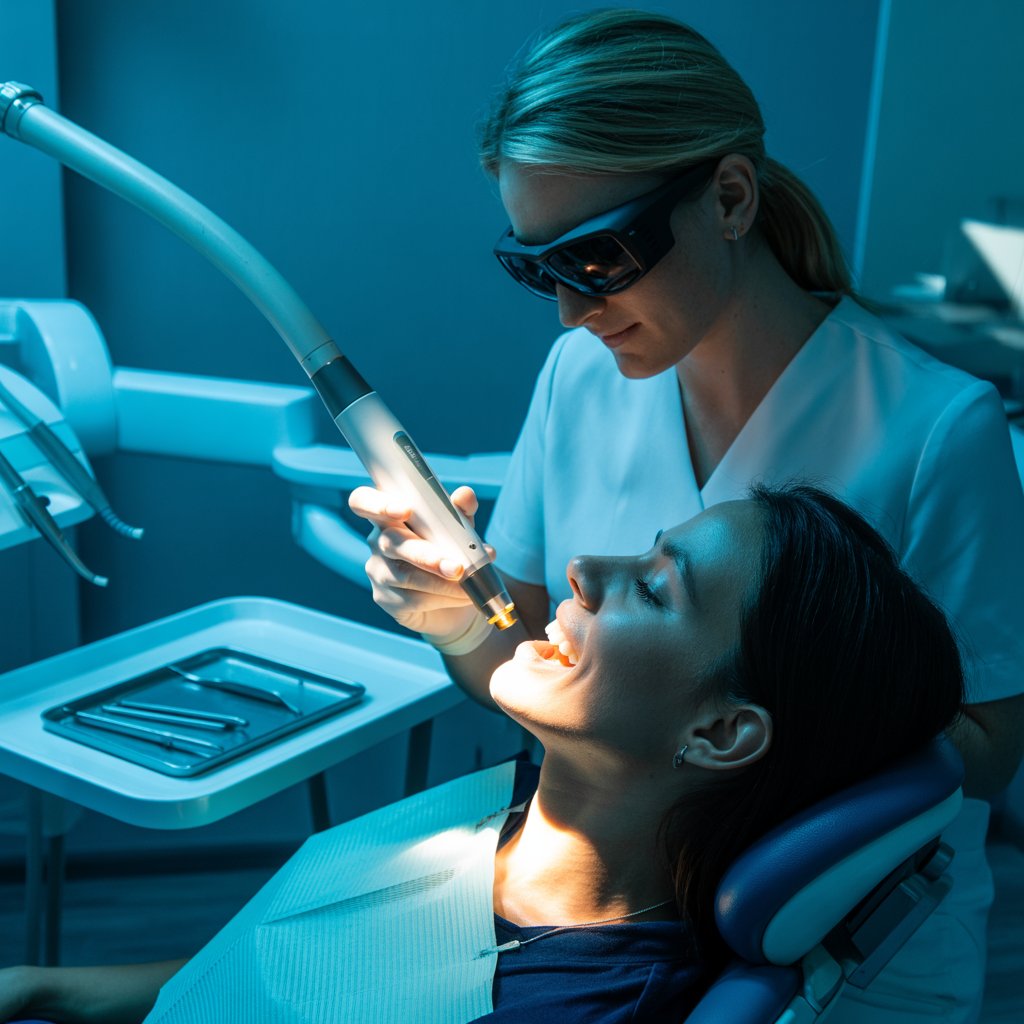
Wisdom tooth pain has a way of taking over everything. It can start as a dull pressure behind the last molar, the kind of ache people try to ignore for a few days. Then it sharpens. Chewing becomes awkward. Sleep gets interrupted. The jaw feels tight. Sometimes the pain spreads toward the ear or down the neck, and what looked like a minor nuisance turns into the kind of problem that sends someone searching for an Emergency Dentist on a Saturday morning.
That escalation is common because wisdom teeth create a perfect storm for trouble. They erupt late, often when the jaw no longer has room. They may come in at an angle, partly break through the gum, or stay trapped under bone. Food and bacteria collect around them easily, especially when a small flap of gum covers part of the tooth. Once that tissue becomes inflamed or infected, symptoms can intensify fast.
People often ask whether wisdom tooth pain is truly an emergency or just something uncomfortable that can wait until the next routine dental visit. The honest answer is that it depends on the symptoms, the cause, and how quickly the condition is changing. Some cases are manageable for a short time with careful home care and prompt scheduling. Others need urgent treatment the same day because infection, swelling, and difficulty opening the mouth can move from inconvenient to risky much faster than most patients expect.
Why wisdom teeth go bad so often
The third molars sit at the very back of the mouth, where cleaning is already difficult. If they erupt fully and align well, they can sometimes function without much trouble. In real practice, that is not the scenario seen most often. More commonly, wisdom teeth are partially erupted, tilted toward the neighboring molar, or impacted under the gums.
A partially erupted wisdom tooth is especially troublesome. There may be just enough space for a small part of the crown to show, but not enough for normal brushing and flossing. A fold of gum, called an operculum, can sit over the tooth like a soft pocket. Food debris gets trapped beneath it. Bacteria thrive in that warm, hard to reach area. The result is often pericoronitis, an infection and inflammation around the erupting tooth. Patients describe a bad taste, gum tenderness, swelling, and pain when biting down. Some notice that the lymph nodes under the jaw feel sore. Others tell you they can smell the infection before they can see it.
Impacted wisdom teeth create a different set of issues. Pressure from the tooth can irritate the surrounding bone and soft tissue. The adjacent second molar may be put at risk if the wisdom tooth leans into it. I have seen patients who assumed the back tooth was merely sore, only to learn that vitalitydentaldfw.com Emergency Dentist decay had formed where the wisdom tooth trapped plaque against the neighboring molar. That matters because waiting too long can turn Emergency Dentist a wisdom tooth problem into damage involving the healthy tooth in front of it.
When wisdom tooth pain becomes urgent
Not every ache requires an immediate emergency appointment, but certain signs should push the issue to the top of the list. Infection in the back of the mouth can spread into deeper tissues. Even when it stays localized, it can make eating, swallowing, and opening the mouth very difficult.
Here are the situations that deserve prompt attention from an Emergency Dentist:
- Swelling in the gums, jaw, or cheek, especially if it is increasing over hours rather than days.
- Fever, chills, or a general sick feeling along with dental pain.
- Trouble swallowing, painful swallowing, or a sense that the throat feels tight.
- Difficulty opening the mouth fully, which can signal deeper inflammation.
- Pus, foul taste, or drainage near the wisdom tooth, especially with throbbing pain.
Those symptoms suggest more than simple eruption soreness. They point toward active infection or significant inflammation, and the timing matters. A patient with mild tenderness might do well with a near term appointment. A patient with facial swelling and a fever needs to be seen much sooner.
What an emergency visit actually looks like
Many people hesitate to call because they picture emergency dental care as rushed, painful, or limited to handing out medication. Good urgent dental treatment is more thoughtful than that. The goal is to identify the cause, control pain, assess the risk, and decide whether the tooth should be treated immediately or stabilized first and removed later.
At the appointment, the dentist usually starts with the basic details that often reveal the severity of the problem. When did the pain begin, and how fast did it worsen? Is the swelling localized to the gum, or has it spread to the face? Is there trouble swallowing or breathing? Has the patient been able to eat and drink? Even small clues matter. Someone who has not slept for two nights and cannot bite on the affected side is presenting a different clinical picture from someone who only notices sensitivity when chewing chips.
An exam follows, often with dental X rays if the patient can tolerate them. Imaging helps show whether the wisdom tooth is partially erupted, fully impacted, pressing against the second molar, or associated with a visible pocket where infection has collected. The dentist will also look at the surrounding gum tissue, check whether there is drainage, and evaluate the nearby teeth. Back molar pain is not always from the wisdom tooth itself. Sometimes the second molar has a cavity or cracked filling, and the symptoms mimic wisdom tooth trouble.
Treatment depends on what is found. If there is an acute infection around a partially erupted wisdom tooth, the area may be gently cleaned and irrigated to remove trapped debris. If swelling is pronounced or systemic symptoms are present, antibiotics may be prescribed. Pain control may include anti inflammatory medication recommendations and, in some cases, a stronger short term plan if clinically appropriate. If the tooth is clearly the source and removal is straightforward, extraction may happen the same day. In other situations, especially when there is significant swelling, limited mouth opening, or a deeply impacted tooth, the dentist may first focus on getting the infection under control and then arrange extraction with a general dentist or oral surgeon.
That distinction matters because the most dramatic symptom is not always the best moment for definitive surgery. Severely inflamed tissue can make treatment more difficult. The safest approach is the one based on the patient’s anatomy, infection severity, and ability to tolerate the procedure.
Infection is not just about pain
One of the biggest misconceptions around wisdom teeth is that infection simply means discomfort and swelling. In reality, oral infections can affect nutrition, hydration, sleep, and systemic health. A young, otherwise healthy patient can still end up dehydrated after two days of pain severe enough to make swallowing miserable. Someone with diabetes, a suppressed immune system, or a history of significant swelling needs even closer attention.
Pain also changes behavior in ways that worsen the problem. Patients chew only on one side, avoid brushing near the sore area, and reach for soft, high sugar foods because they are easy to tolerate. That is understandable, but it can increase plaque buildup and create additional irritation. It is one reason why early evaluation tends to lead to easier care. The longer the area stays inflamed, the harder it becomes to clean, rest, and recover.
There is another practical issue people often overlook. A wisdom tooth infection can flare, calm down, and flare again. The second phase is not always milder. I have known patients who felt better after a few days and cancelled their appointment, only to return a month later with more swelling and less room to open the mouth. Temporary improvement does not mean the problem has resolved.
What you can do before you are seen
Home care is not a cure, but it can make the time before an emergency appointment more manageable and may reduce surface irritation around the tooth. The key is to do simple things well and avoid the popular but unhelpful remedies that circulate online.
A reasonable short term approach includes:
- Rinse gently with warm salt water several times a day, especially after eating.
- Keep brushing the area as carefully as you can, using a soft brush and light pressure.
- Use over the counter pain relievers only as directed on the label or as advised by your clinician.
- Choose soft foods and drink plenty of water so you do not become dehydrated.
- Avoid placing aspirin directly on the gum, which can burn the tissue.
Some patients ask whether clove oil, alcohol rinses, or hydrogen peroxide can solve the problem. They can irritate tissue if used improperly, and they do not address an impacted tooth or a trapped bacterial pocket in a predictable way. Warm salt water and gentle cleaning are usually safer choices while you arrange care.
Cold compresses on the outside of the cheek may help with discomfort. Heat on a visibly swollen face can sometimes make things feel worse, so I generally tell patients to be cautious with it unless a clinician has given specific guidance. If the swelling is substantial, or if fever and malaise are part of the picture, home measures should not delay professional treatment.
The role of antibiotics, and their limits
Antibiotics can be important in wisdom tooth infections, but they are not magic. They do not create space in a crowded jaw. They do not remove a gum flap that keeps trapping food. They do not extract an impacted tooth. What they can do is reduce bacterial load, contain spread, and help the body recover when infection has gone beyond simple local irritation.
This is where judgment matters. Some mild, localized cases improve with cleaning and local care without antibiotics. Other cases absolutely warrant them, especially when there is diffuse swelling, fever, or evidence that infection is extending beyond the immediate gum margin. An Emergency Dentist will weigh those details rather than prescribing reflexively.
The mistake patients often make is treating antibiotics as the finish line. They take the course, the pain eases, and they assume the tooth is no longer an issue. Then a few weeks later the same anatomy produces the same trap for bacteria. Unless the underlying cause is resolved, usually by extraction or occasionally by removal of the overlying tissue in selected cases, recurrence is common.
When extraction is the right answer
Not every wisdom tooth has to come out, but infected or repeatedly painful wisdom teeth often do. The decision rests on several factors: whether the tooth has room to erupt, whether it can be cleaned properly, whether it threatens the second molar, whether infection has already recurred, and whether the tooth has any realistic functional value.
For a fully erupted wisdom tooth with a straightforward shape and good access, extraction may be similar to removal of another molar. For a partially erupted or impacted tooth, the procedure can be more involved. Sometimes the tooth is sectioned into pieces. Sometimes gum tissue and a bit of surrounding bone must be managed to allow safe removal. That is one reason imaging and planning matter. Patients are often relieved to know that a difficult wisdom tooth can usually be treated predictably when the anatomy is understood ahead of time.
Age also plays a role. Younger patients often heal more easily after wisdom tooth removal, though adults of many ages still do well. What tends to complicate recovery is not age alone, but the combination of deep impaction, repeated infection, delayed care, and poor access for cleaning. Someone who has had three bouts of pericoronitis in a year usually has a clearer case for removal than someone with one brief episode of gum irritation around a tooth that is almost fully erupted.
Recovery after urgent treatment
Recovery depends on what was done during the emergency visit. If the area was irrigated and treated with medication, symptoms may begin to settle within a day or two, though full resolution can take longer. If the tooth was extracted, the first 48 to 72 hours usually bring the most noticeable soreness and swelling, followed by gradual improvement.
Soft foods help, but patients often do best when they think beyond pudding and ice cream. Scrambled eggs, yogurt, oatmeal, soups that are not too hot, mashed vegetables, pasta, smoothies eaten without a straw if extraction occurred, and shredded fish are all practical choices. Adequate calories matter. People who eat almost nothing for two days often feel worse than the dental condition alone would explain.
Cleaning after treatment should be careful, not aggressive. Patients sometimes assume they should avoid the area completely, but neglecting oral hygiene can slow improvement. Most dentists recommend gentle brushing around the site and rinsing as instructed. If packing, a prescription rinse, or specific post operative instructions are given, those should take priority over generic advice found online.
Dry socket is one concern patients hear about often after wisdom tooth extraction. It is painful, but it is not the same thing as an active spreading infection. The symptoms usually include deep throbbing pain that worsens a few days after extraction and may radiate toward the ear. It deserves prompt follow up, but it is managed differently from an abscess or severe soft tissue infection.
Special cases that need extra caution
There are times when wisdom tooth pain deserves even more respect than usual. Pregnancy can complicate timing and comfort, though urgent infection still needs care. Patients taking blood thinners need careful planning for extraction. People with diabetes may experience slower healing or more significant infection if blood sugar is poorly controlled. Smokers often have a harder post operative course, especially after extraction, and they benefit from very explicit instructions.
I am also cautious with patients who report repeated episodes of swelling that seem to come and go but never fully disappear. Chronic low grade inflammation around a wisdom tooth can mask a more serious pattern. It is easy for a patient to normalize recurring pain if each episode eventually settles. Clinically, recurrent infection is often the clearest sign that the current setup is not sustainable.
Choosing where to go for urgent care
If you already have a general dentist who offers same day urgent slots, that is often the best starting point because they know your history and can coordinate follow up. If the pain develops after hours, on a weekend, or during travel, an Emergency Dentist is the right move, particularly when swelling or systemic symptoms are involved. Oral surgeons are also central in cases involving difficult impactions or surgical extractions.
The key question is not who has the fanciest website, but who can evaluate the problem promptly, take diagnostic images if needed, and either treat or triage appropriately. A clinic that can only prescribe medication without examining the mouth rarely solves the real issue. Wisdom tooth emergencies benefit from hands on assessment.
The bigger value of acting early
The most preventable part of wisdom tooth emergencies is often the delay. People push through discomfort because life is busy, because the pain comes and goes, or because they hope the tooth is simply erupting normally. Sometimes that hope is reasonable. Just as often, the wisdom tooth is signaling a structural problem that will not fix itself.
Prompt care usually means a smaller problem, simpler treatment, less time off work, fewer sleepless nights, and a lower chance of the infection affecting nearby structures. It also protects the second molar, which is easy to forget until the wisdom tooth has already compromised it. Saving a healthy neighboring tooth is one of the strongest practical reasons not to let recurrent wisdom tooth problems drag on.
If your jaw is throbbing, the gum behind the last molar is swollen, or swallowing and chewing are becoming difficult, trust those signs. Wisdom tooth pain is one of those dental issues that can remain manageable for a little while, right up until it suddenly is not. An experienced Emergency Dentist can sort out whether you need immediate infection control, extraction, referral, or short term stabilization. That clarity alone often brings relief, because once the source is identified, the path forward becomes much easier to handle.
Vitality Dental
1220 Coit Rd # 106, Plano, TX 75075, United States
+1 972-645-4100
FAQ About Emergency Dentist
What counts as a dental emergency?
A knocked-out tooth, significant mouth injury, severe tooth pain, or painful swelling warrants prompt evaluation. Call your dentist and describe your symptoms so the office can advise you on how urgently you need care.
What should I do if I knock out a permanent tooth?
Call a dentist immediately. Handle the tooth by the crown, avoid touching the root, and keep it moist. If you cannot put it back into the socket easily, transport it in milk or a tooth-preservation solution. Bring it with you to the appointment.
Should I go to the emergency room for a dental emergency?
Seek emergency medical care right away if you have trouble breathing or swallowing, uncontrolled bleeding, or a serious facial injury. For an isolated tooth injury or toothache without those symptoms, call a dentist promptly for guidance.