23 November 2026
Emergency Dentist Guide to Same-Day Dental Pain Relief
Presented by @hectoriteq269
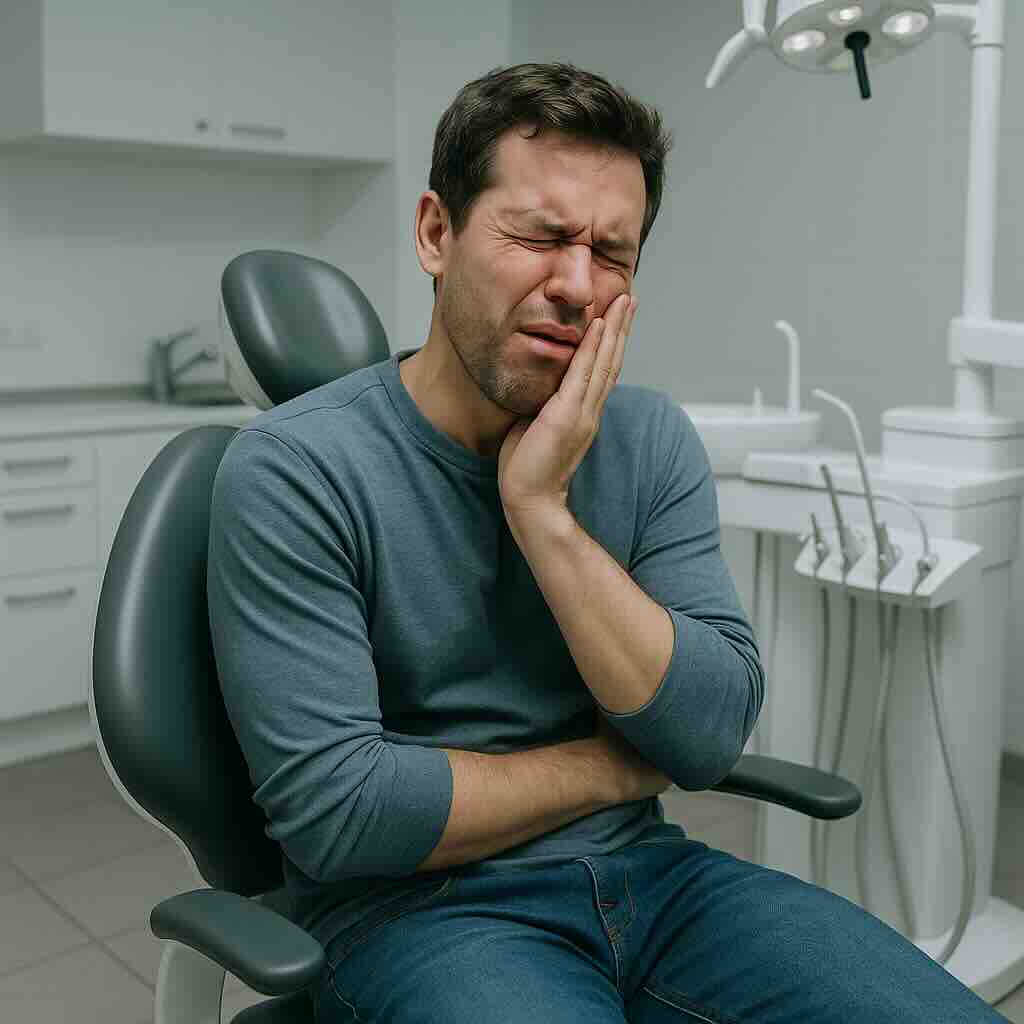
A true dental emergency has a way of shrinking your world fast. One moment you are at work, driving home, or trying to get through dinner, and the next you cannot think past the pulse in your jaw. People often describe tooth pain as sharp, but that is only one version of it. Sometimes it throbs in waves. Sometimes it feels like pressure deep in the bone. Sometimes the pain is hot, cold, electric, or strangely constant, the kind that keeps time with your heartbeat and makes sleep nearly impossible.
Same-day dental pain relief matters for a simple reason: most severe dental pain does not improve by waiting. It usually signals inflammation, infection, a crack, exposed dentin, trauma, or pressure building somewhere it should not. An emergency dentist is not just there to hand out reassurance. The immediate goal is to reduce pain safely, find the cause, and keep a bad situation from turning into a much bigger one overnight.
Many people delay care because they are unsure whether the problem is urgent enough, or because they worry that emergency treatment means an expensive, dramatic procedure. In practice, same-day care is often much more measured than people expect. Relief can come from draining an abscess, smoothing a fractured edge, placing a temporary sedative filling, adjusting a bite that is overloading a painful tooth, prescribing the right medication when infection is involved, or removing a tooth that cannot be saved. The right treatment depends on the source, not just the symptom.
What counts as a dental emergency
There is a difference between a nuisance and a true emergency, although the line is not always obvious in the moment. Mild sensitivity that appears only when you drink something cold can sometimes wait a day or two. Swelling in the gums or face, pain that wakes you up, a broken tooth with nerve exposure, uncontrolled bleeding, or a tooth that has been knocked out should not.
One of the clearest signs that you need urgent dental care is pain that escalates rather than settles. Another is swelling. Facial swelling, especially when it spreads or makes it harder to swallow or open your mouth, deserves prompt attention because oral infections can move into deeper spaces of the head and neck. Fever, foul taste or drainage, and swollen lymph nodes are also clues that a local tooth problem may have become an active infection.
Trauma is another category where time matters. A chipped tooth is not always an emergency. A broken front tooth after a fall may still be manageable the same day if the fracture is minor. But a tooth that is loose, pushed out of position, or completely avulsed has a much better prognosis when treated quickly. In those cases, minutes and hours matter more than days.
There is also a category of pain that patients often underestimate: a cracked tooth. These can be difficult to see without an exam because the outside may look almost normal. Yet the pain can be intense when biting, releasing pressure, or drinking something cold. Left alone, a crack can deepen and turn a repairable tooth into one that needs root canal treatment or extraction.
What an emergency dentist is trying to solve first
The first priority is not to deliver a perfect final restoration on the spot. It is to answer three immediate questions: what is causing the pain, can the pain be reduced today, and is there any sign that the problem is spreading or threatening surrounding tissues.
That distinction matters because patients often come in saying they want the tooth "fixed today" when what they really need first is the pressure relieved and the diagnosis made. If you have an abscess under a molar, the same-day win may be drainage and antibiotics if indicated, followed by either root canal treatment or extraction. If you have irreversible pulpitis, the pain may come from an inflamed nerve trapped inside a rigid chamber. In that case, a portion of the emergency visit may involve opening the tooth to decompress the pressure or proceeding with root canal therapy if time and conditions allow.
An experienced emergency dentist also looks for what changes the urgency. Is the swelling localized to the gum, or has it moved into the cheek? Is the tooth pain truly from that tooth, or is it referred pain from grinding, sinus pressure, or another tooth entirely? Has the patient been taking ibuprofen all day on an empty stomach, adding stomach irritation to dental pain? Good same-day care is rarely just about the tooth itself. It is about the whole clinical picture.
The common causes behind sudden severe tooth pain
Deep decay is the classic cause, but it is hardly the only one. A cavity can progress quietly for months and then declare itself all at once when it reaches the nerve. That is one of the more predictable pathways to an emergency appointment. Less obvious are leaking old fillings. A restoration can look stable from the outside while decay forms underneath it, weakening the tooth until a cusp fractures during something as ordinary as lunch.
Gum infections can also mimic toothaches, particularly around wisdom teeth or in areas where food becomes trapped under swollen tissue. A partially erupted wisdom tooth may create a pocket where bacteria thrive, leaving the patient with throbbing pain, bad taste, and difficulty opening the mouth. This is not the same as a cavity, and the treatment approach is different.
Then there are bite issues. A high filling, a crown that is slightly off, or nighttime clenching can inflame the ligament around a tooth until it feels taller than the rest. Patients will often say, "It hurts when I tap it" or "I cannot chew on that side." The tooth may not need a root canal at all. Sometimes it needs adjustment, time, and protection from further trauma.
Temperature sensitivity tells its own story. Brief cold sensitivity may point to exposed root surfaces or early irritation. Lingering heat pain is more concerning and often suggests the pulp is inflamed beyond recovery. Dentists pay close attention to whether pain is spontaneous or only triggered, whether it lingers, and whether it is worse lying down. Those details are not small talk. They help separate reversible problems from those requiring urgent intervention.
What same-day pain relief can actually look like
People often imagine pain relief as a pill, but dental pain is mechanical and biological. Medication can help, yet many severe cases improve only when the physical source of pressure, infection, or exposure is addressed.
A sedative filling is one useful example. If decay has reached near the pulp and the area is acutely inflamed, removing debris and placing a temporary soothing material can calm the tooth enough to break the pain cycle. It is not a forever solution, but it can transform the next 24 hours. Drainage of an abscess can do the same. When pus is trapped, the pressure can be brutal. Releasing it often provides rapid relief, sometimes within minutes.
If the tooth has a dying or irreversibly inflamed nerve, beginning root canal treatment is often the most direct route to comfort. Many patients fear the procedure because they associate it with pain, when in reality the untreated tooth is usually the painful part. Once anesthesia is effective and the inflamed tissue is removed, the difference can be dramatic. There are limits, of course. Anatomy, swelling, access, and schedule all affect whether the full procedure can be finished the same day. But even partial treatment can substantially reduce pain.
Extraction is another same-day option when the tooth cannot be predictably saved or when keeping it would delay relief without much benefit. This is a judgment call, not a failure. A severely fractured molar below the gum line, for instance, may not be a good candidate for restoration. In that situation, removing the source of infection and pain may be the most honest and effective treatment.
What to do before you are seen
While waiting for your appointment, good decisions can reduce suffering and prevent complications. Bad ones can make things worse. Home care is supportive, not curative, but it matters.
- Rinse gently with warm salt water if the area is tender or swollen.
- Use cold compresses on the outside of the face for swelling or post-trauma discomfort.
- Take over-the-counter pain medication only as directed on the label, unless a medical professional has told you otherwise.
- Avoid placing aspirin directly on the gum or tooth, which can burn the tissue.
- If a tooth has been knocked out, hold it by the crown, not the root, and keep it moist in milk or saliva while you seek urgent care.
That last point is worth lingering on. A knocked-out adult tooth is one of the few true race-against-the-clock situations in dentistry. If the tooth is clean, it can sometimes be gently reinserted into the socket by the patient before arrival, but only if the person is calm, conscious, and certain of orientation. If that feels risky, keeping the tooth moist and getting to an emergency dentist immediately is the safer path.
Pain control at home, and where people get into trouble
Over-the-counter medication helps many patients bridge the gap until treatment, but it is easy to misuse. The most common problem is not underdosing, it is stacking medications carelessly or taking them too often because the pain keeps returning. People in serious dental pain may take one product for a few hours, switch to another, and then lose track of how much they have had over the day. That is where liver, stomach, or kidney problems can start.
Another common mistake is relying on numbing gels for deep tooth pain. These products may dull a superficial sore spot, but they rarely reach the source when the pain comes from the pulp or the tissues around the root. Some also irritate delicate tissue when used repeatedly. Clove oil is a similar story. It has a long folk-history in dentistry and can temporarily soothe exposed dentin in some cases, but it is not a substitute for diagnosis, and overuse can irritate the gums.
Heat is another area where judgment matters. People often press a warm pack to a swollen face because warmth feels comforting for muscle pain. In dental infections, external heat can increase circulation and sometimes worsen swelling. Cold on the outside of the face is usually the safer choice when swelling is present.
Then there is the understandable temptation to wait until morning because the pain seems to ease for an hour or two. Dental infections do not move in straight lines. They can drain and feel better temporarily, then flare again. A lull in pain is not always a sign of improvement. Sometimes it means the pressure has shifted. Sometimes, more ominously, it means the nerve inside the tooth has died while infection continues around the root.
What to expect during the emergency visit
The best emergency appointments move quickly without feeling rushed. You should expect questions about when the pain started, what triggers it, whether it wakes you, what you have taken, and whether you have swelling, fever, or trouble swallowing. X-rays are commonly needed because much of dental disease is hidden. A tooth can look modestly damaged above the gum and be severely compromised below it.
Testing may include cold, tapping, bite pressure, and periodontal probing. These are not random pokes. Each tells the dentist something different. A tooth that hurts sharply when you bite and release may be cracked. A tooth that does not respond to cold but hurts to percussion may have a dead pulp and an inflamed ligament around the root. Swollen gums around one area may suggest a periodontal abscess rather than a classic endodontic one.
If anesthesia is needed, severely inflamed teeth can sometimes be harder to numb fully, especially lower molars. That does not mean treatment cannot proceed, but it may require patience, supplemental anesthetic techniques, and realistic pacing. Experienced clinicians know this and will often explain it before starting so the patient does not interpret delayed numbness as a sign that nothing is working.
Same-day care also involves decision-making under real constraints. If you arrive late in the evening with a badly infected upper molar and facial swelling, the immediate plan may focus on pain control, drainage if possible, and medical management with close follow-up rather than a lengthy definitive procedure. That is not corner-cutting. It is triage, and good triage is a skill.
When swelling changes the risk
Pain alone is miserable, but swelling raises the stakes. A small pimple on the gum above a tooth can indicate a draining abscess that still needs treatment, though it may be relatively contained. Diffuse swelling into the cheek, jawline, or under the eye is another matter. So is swelling under the jaw or any swelling accompanied by fever and feeling unwell.
The most urgent warning signs are difficulty swallowing, trouble breathing, drooling, rapidly spreading swelling, or inability to open the mouth normally. Those situations may require hospital-level care, imaging, intravenous antibiotics, or oral surgery support. A dental office can manage many infections, but not all of them belong in a standard outpatient setting. Knowing when to escalate care is part of competent emergency dentistry.
This is one reason an emergency dentist will ask questions that seem broader than your tooth. Have you had chills? Are you diabetic? Are you immunocompromised? Are you pregnant? Do you take blood thinners? The answers shape treatment choices and help determine how aggressively the situation should be managed the same day.
Children, older adults, and special situations
Dental pain in children presents differently. Younger kids may not point to the correct tooth. They may simply stop eating, cry at bedtime, or wake at night. Swelling, trauma to a front tooth, and uncontrolled pain should prompt urgent evaluation. A baby tooth does matter if it is infected, not because it is permanent, but because infection can spread and pain can be severe. The treatment goal may be different than with an adult tooth, yet the need for relief is just as real.
Older adults bring their own complexities. Teeth with large old restorations, root exposures from recession, dry mouth from medications, and brittle enamel all raise the odds of fractures and decay that can become emergencies. Some older patients also underreport pain or mistake it for sinus issues, ear discomfort, or normal aging. If chewing becomes difficult or one side of the face starts to swell, prompt assessment is wise.
Crown and bridge work can create edge cases. A crown that falls off without pain may not be an emergency if the tooth is protected and seen soon. A crown that comes off exposing a sensitive prepared tooth can become urgent quickly. Denture sores are usually not emergencies, but pressure ulcers, trapped appliance fragments, or swallowing part of an appliance can be.
Orthodontic situations tend to frighten people because wires and brackets look dramatic when they break. Most are uncomfortable rather than dangerous, but a wire poking deeply into the cheek or a loose appliance after trauma may justify same-day attention. Again, the pattern holds: the appearance of the problem is less important than the function, pain level, and risk of further injury.
How dentists balance relief, cost, and long-term prognosis
This is the part many patients appreciate most once the worst pain has passed. Emergency care is not just about what can be done, but what makes sense. There is little value in pouring money into a tooth with a poor long-term outlook if extraction and planned replacement would serve the patient better. On the other hand, removing a tooth that could have been predictably saved is a permanent decision that deserves caution.
Emergency DentistThe right answer depends on restorability, bone support, crack pattern, patient health, budget, and timing. A front tooth with trauma in a young adult may deserve every effort to preserve it because the functional and cosmetic consequences are significant. A heavily broken wisdom tooth with recurrent infection may not warrant heroic measures. A cracked molar under an old large filling sits somewhere in the middle, where the final choice depends on how deep the crack runs and whether the root structure is intact.
Good emergency dentists explain these trade-offs plainly. They tell you what needs to happen today, what can wait a little, and what the likely next steps are after the immediate pain is controlled. That conversation is part of treatment, not an afterthought. When people understand the map, they usually feel less overwhelmed, even if the situation is not simple.
Choosing where to go when you need help now
Not every office that offers urgent appointments is equipped the same way. If you are searching for an emergency dentist, it helps to look for a practice that can take diagnostic X-rays on site, provide extractions and endodontic assessment, and handle common urgent issues without sending every other patient elsewhere. Access matters too. Evening and weekend availability can be the difference between a manageable problem and a sleepless, escalating one.
When you call, describe the symptoms clearly. Say if there is swelling, fever, trauma, bleeding, or a knocked-out tooth. Mention if you are pregnant, diabetic, taking blood thinners, or have trouble swallowing. Those details help the team determine how quickly you should be seen and whether they need to direct you to a hospital or specialist immediately.
If the office asks you to come in sooner than you expected, take that seriously. Front desk teams in busy dental practices hear these stories all day and often know which descriptions suggest a routine repair and which ones suggest something more urgent.
Relief first, then a real plan
The hardest part of a dental emergency is the sense that the pain is in charge and you are not. Same-day care changes that. Sometimes the transformation is dramatic and immediate, such as draining an abscess or removing a shattered tooth. Sometimes it is steadier, the result of accurate diagnosis, anesthesia, a temporary protective treatment, and a clear plan for definitive care. Either way, the value of emergency dentistry lies in speed paired with judgment.
Dental pain is intensely local, but it affects sleep, concentration, blood sugar, nutrition, and mood with surprising force. People miss work, snap at their families, avoid eating, and try to push through more than they should. Seeing an emergency dentist is not overreacting when the pain is severe, the swelling is present, or the tooth has been injured. It is often the most practical way to stop a bad day from becoming a dangerous one.
Vitality Dental
1220 Coit Rd # 106, Plano, TX 75075, United States
+1 972-645-4100
FAQ About Emergency Dentist
What counts as a dental emergency?
A knocked-out tooth, significant mouth injury, severe tooth pain, or painful swelling warrants prompt evaluation. Call your dentist and describe your symptoms so the office can advise you on how urgently you need care.
What should I do if I knock out a permanent tooth?
Call a dentist immediately. Handle the tooth by the crown, avoid touching the root, and keep it moist. If you cannot put it back into the socket easily, transport it in milk or a tooth-preservation solution. Bring it with you to the appointment.
Should I go to the emergency room for a dental emergency?
Seek emergency medical care right away if you have trouble breathing or swallowing, uncontrolled bleeding, or a serious facial injury. For an isolated tooth injury or toothache without those symptoms, call a dentist promptly for guidance.